Duruk Djang kunbolk (Dog Dreaming Country)

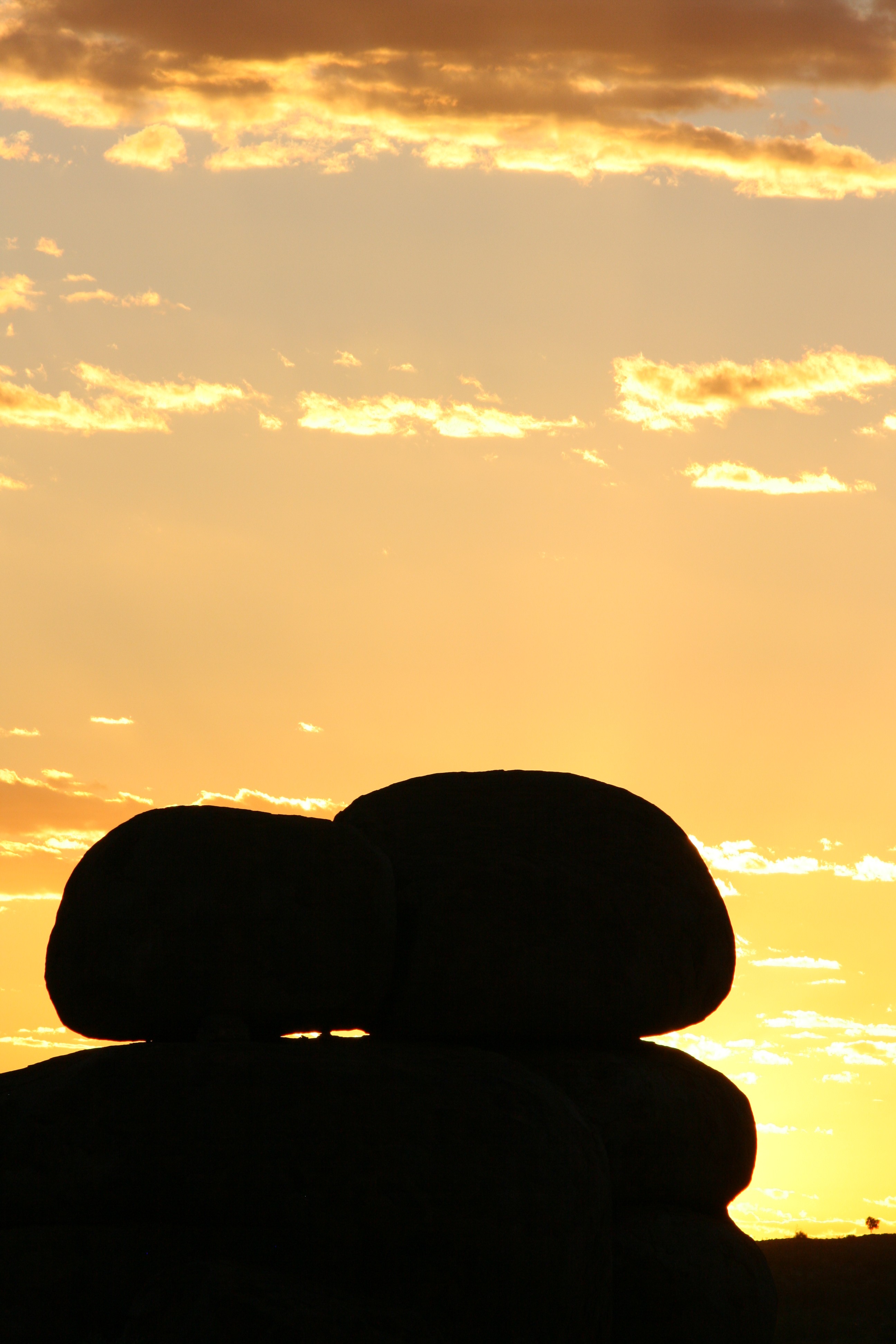
I now feed 3-4 dogs, they come with the house. Suitable really in dog dreaming country. A film of the dog dreaming featuring Balang the president of Injalak was being edited when I arrived. An earlier film was narrated by T.O. Jacob Nayinggul. The Rock you see featured in the doco is held up by three thin legs which translate as the female dog or ngalduruk who had a broken leg.

I was invited to one of the sites by a T.O. who I call kakkak (grandmother). It is a beautiful waterfall called Mandjaworlbidji in Mangerrdji. I make two trips there on the heavily flooded dirt track. I took my immediate kin family first, mostly daluk who I call karrang (mum) rdarda (younger sisters) and dje dje (our kids), then take kakkak’s family, many who I call berluh (auntie) or ngadjadj (uncle). We fish, first kicking the small bait fish called yow out of the shallows onto the sand to pick up. Using handlines djenj (fish) are caught quickly and flicked out of the water onto the shore. Shallow fires are made and the bordoh (small bream) are cooked in the coals without gutting. There are lots of Garlerrk (log tom) in the water and dje dje plays with one as it dies, so I draw it. He took it home in the car still playing with it, this garlerrk.

Traditionally, bigger djenj like namarngorl (barramundi) are buried in coals after wrapping in paperbark and some organs are eaten, we used the paperbark for plates and salt was always added to the flesh which was very tasty.
Arrival in Gunbalanya

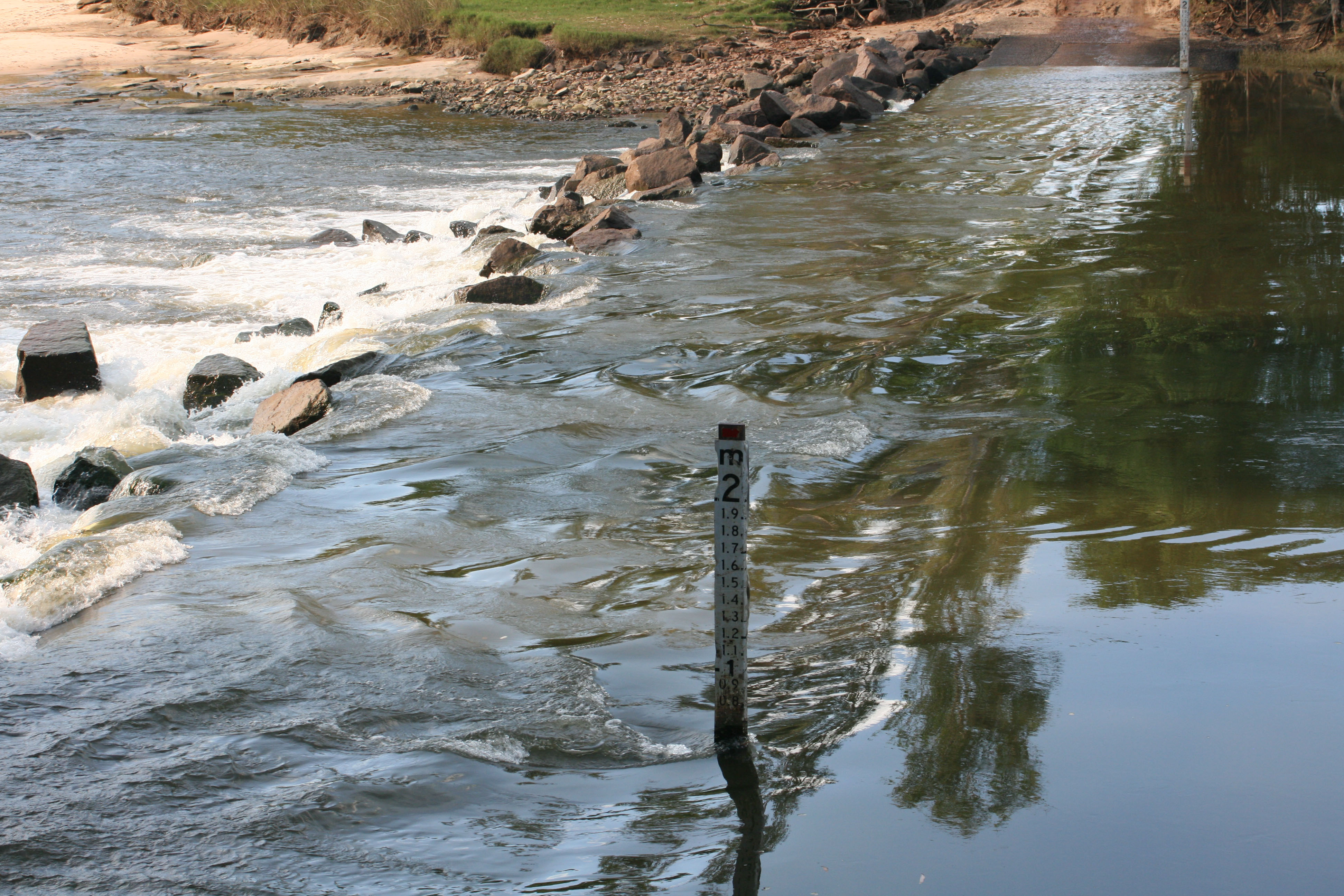
To enter Gunbalanya, you must drive through the East Alligator River, and having the caravan in tow was a worry. There had been late rains and the road was closed up until the afternoon we arrived! But it was going up and the overturned car in the water did not look too enticing. So we camped at the border crossing Merl campground enjoying good coffee and French pastries at the store!

The next day, after obtaining permits in Jabiru we hooked up the caravan and nervously drove to the river crossing. We had an audience, but so did the Bininj mob towing a car across before us. We lent them some WD40 and watched as they crossed safely. This morning a man had crossed when it was higher and conked out in the middle! But we have a snorkle and got through no worries. So happy to have made it to Gunbalanya, Anthony Murphy director of Injalak Arts directed us to the old church house where we parked the van and I cleaned the house which had been left in a state, lights on for weeks and full of insects. Frogs and geckos are everywhere to Tepi’s delight and a couple of large predatory whistling kites have a huge nest in the tree beside the caravan, I watched them swooping for bush rats in the very tall yard grass. Hope the snakes aren’t too friendly. From the verandah is a beautiful view of the lagoon and the escarpment. Sunset and sunrise are special, must be careful of the wasp nest though.

Entering Gagudju (Kakadu)

We were approaching my destination now, as we entered this vast National Park we had many animal encounters. Birds of prey and water birds, lizards and snakes, and a large dead Buffalo. Here Bininj speak Gundjeihmi in the central areas, Mungguy speak Jawoyn in the south and in the north, where I was headed, Kunwinjku, the language spoken in Gunbalanya where traditional owner Jacob Nayinggul lives.


dead buffalo in kakadu

Larrakia country, the city of Darwin

This is my third visit to Darwin, and I seem to experience a different area every time. We stayed at the top of Casuarina coastline and found the sand littered with coral bones. It dawned on me that the porcelain doll in a coral shell my father had found on a beach in Darwin in 1974 when he helped clean up after the cyclone must have been Casuarina! I had retraced his steps by accident as the caravan park turned out to be originally set up for workers after cyclone Tracy. It was very run down but pricey! We visited the exclusive suburb of Nightcliff with spectacular seaside ochre laden cliffs, a feature of Darwin’s Lammeroo Beach too where I swam last visit (to the horror of onlookers). We swam in the shallows at Nightcliff, but most people were still abstaining due to the risk of box jellyfish. I think it would be rare to see a crocodile in this area, but Casuarina looked a little more estaurine. There was chunks of ochre laying on the sand so I collected some of the amazing pigment from both beaches.

We spent a large part of a day captivated in the Darwin Gallery and Museum overlooking the ocean. A beautiful display of barks, fibre work, sculpture and canvases from around the top end, and the best natural history museum I’ve ever seen. There was even a ship museum with Indonesian carved longboats and Melanesian dugout canoes.

We enjoyed the Mindil Beach evening Markets (another beach where swimming is ok in the dry season). The foods on offer were the highlight, but the kids found plenty to want! Lovely diversity of people.

Wagait country, Litchfield National Park

The waterfalls and swimming holes were luscious amidst rainforest and palm scattered forests. Wangi Falls was still closed for swimming but we swam at Buley rockhole and Florence Falls amongst the large fish. We have all been abstaining from sunscreen and insect repellent when swimming, but unfortunately most of the other visitors were lathered up not thinking of the local wildlife.
http://www.flickr.com/apps/slideshow/show.swf?v=71649

Jawoyn Country, Nitmiluk (Katherine Gorge)

The town has grown since my last visit in 1992, partly due to a RAAF base. Still loved the place, but saltwater crocodiles were still about in the gorge, so we could only swim in the top waterhole above the third gorge. Saw kunwarde bim in red and yellow delek, there was short neck turtle and magpie geese and bat men. Cicada dreaming. Went to the Hot Springs for a swim, happy that local Mungguy families were swimming there too. Met another travelling family at the campsite who had worked in a small community art centre in WA and we heard stories of their time and friendships there near Warburton on Ngaanyatjarra country. Had a swim Leliyn (Edith Falls) top waterholes, beautiful.
http://www.flickr.com/apps/slideshow/show.swf?v=71649

Karlu Karlu, Kaytetye and Warumungu sacred site

Sunset and star filled sky abruptly spoilt by an inconsiderate fellow camper and his generator. Couldn’t stand camping without the air conditioning. I told him what I thought of him, eventually it was peace and quiet again. Breakfast at Tennant Creek was quick, plentiful and cheap, and from now on, many indigenous men proudly wore full cowboy regalia from the hat to the cuban heels. Skilled cattlemen on their country. Shame about the helicoptors taking away the jobs on horseback, we spotted one rounding a mob up in the early morning light.

karlu karlu at sunset

Ochre Pits used for Aranda (Arrente) Ceremony

After exploring the beautiful clean gorges and waterholes in the ranges, I was so excited to experience the Ochre pits. Steep creek banks of the most beautiful golden yellow, white and burgundy red ochre I’ve ever seen in the one place. I did not remove any as the traditional owners left a sign requesting none be taken. But I was filled with joy at the site of such beautiful pigment and wondered if it was a woodduck dreaming dance being performed by the ochre painted women in Spencer’s photograph provided at the site. I had told Gladys about my woodduck as a child who followed me everywhere and felt quite at home in woodduck dreaming country.

Happy in the ochre pits of the Aranda